I build real systems
end-to-end.
This is my proof.
Everything on this page represents real systems I have built, configured, and shipped — across multiple brands, tools, and workflows.
Instead of only sending Tesla three bullet points, I created this page to show the systems behind them. These are real products, real operations, and real infrastructure, built without a team and under real-world constraints.
Why This Page Exists
On November 23, 2025, Elon Musk posted about Tesla's advanced AI chip and board engineering team, inviting applications with three bullet points demonstrating exceptional ability. Rather than sending just text, I built this comprehensive proof-of-work site to demonstrate what those bullet points really mean.
I'm not a chip designer or robotics engineer. I'm a systems builder — someone who learns exceptionally fast, builds complete systems independently, and executes across multiple technical domains under real-world constraints. This is exactly the mindset needed to apply cutting-edge AI to chip design.
End-to-End Systems I've Built
I own full pipelines: domains, tools, backend, automations, content, operations. Below are the systems that make up my ecosystem.
Built and operate a full e-commerce pipeline from product conception to customer delivery:
- Product design, sourcing, and inventory management
- Shopify storefront with custom checkout flows
- Automated packaging and labeling workflows
- Order fulfillment and customer feedback loops
- Real-time analytics and inventory tracking
Created a complete service delivery platform for high-touch consulting engagements:
- VIP Day booking and scheduling system
- 90-day build program with milestone tracking
- Automated microsite generation for each client
- Stripe integration for payment processing
- Email automation and content delivery workflows
I integrate AI tools strategically to accelerate real work — not for hype, but for measurable efficiency gains:
Content Generation
AI-assisted copywriting for product descriptions, marketing materials, and documentation
Research & Analysis
Rapid market research, competitive analysis, and technical documentation review
Workflow Automation
Multi-agent workflows for microsite generation, data processing, and system integration
Infrastructure & Architecture I Manage
I handle technical foundations and system connections across multiple brands and platforms.
- Multi-domain DNS management
- SSL/TLS certificate automation
- CDN configuration and optimization
- DDoS protection and security rules
- Custom routing and redirects
- Firestore database architecture
- Firebase Authentication setup
- Shopify backend customization
- Real-time data synchronization
- API integration and webhooks
- Cross-platform event triggers
- Automated data flows between systems
- Email and notification automation
- Inventory and order sync
- Custom integration scripts
I design systems to be modular, maintainable, and scalable. Each component serves a specific purpose while integrating seamlessly with others. I prioritize reliability over complexity, choosing proven technologies and architectures that I can manage solo. This approach allows me to maintain multiple production systems simultaneously while continuing to ship new features.
Execution Speed & Learning Under Constraint
I build under constraint, learn fast, and adapt to whatever the project demands.
I don't research endlessly before starting. I learn by building, testing, and iterating in production. This approach means I can pick up new tools, frameworks, and domains quickly because I'm immediately applying what I learn to real problems.
I build across disciplines because the project demands it. Frontend, backend, infrastructure, operations, design, copywriting — I handle whatever is needed to ship. This versatility comes from necessity and has become my greatest strength.
Building without external funding forces me to make smart architectural decisions. Constraints don't limit my work — they improve it. I choose technologies I can maintain solo, design systems that scale efficiently, and automate ruthlessly.
I keep systems simple enough to maintain solo, but sophisticated enough to solve real problems. This balance requires deep understanding of both the technology and the business requirements. Every architectural decision considers long-term maintainability.
The ability to learn rapidly and execute across domains is exactly what's needed to "apply cutting-edge AI to chip design." I may not have chip design experience today, but I have a proven track record of entering new technical domains and delivering production systems.
I understand how to break down complex problems, learn what's necessary, build what's needed, and iterate based on real-world feedback. This is the mindset that builds revolutionary products.
Proof-of-Work Gallery
Visual evidence of the systems and infrastructure I've built and maintain
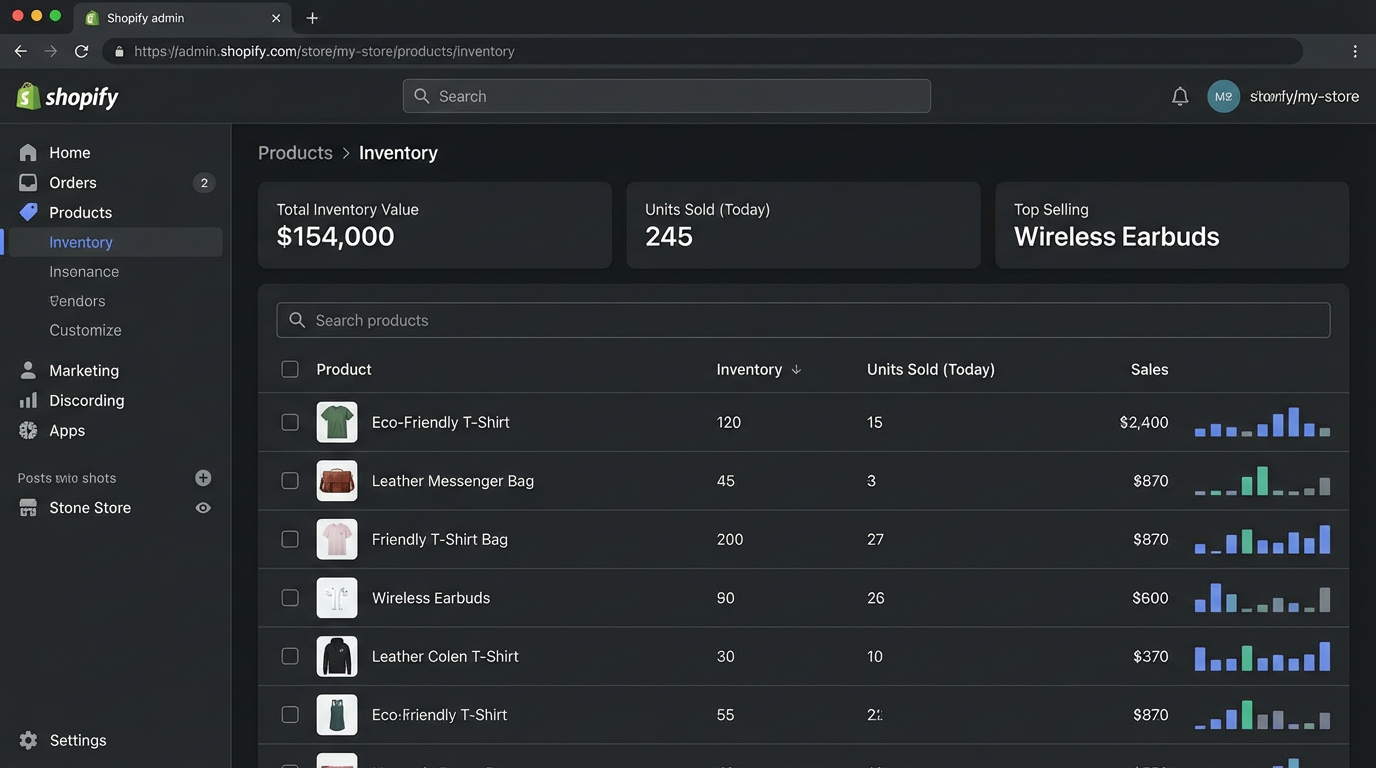
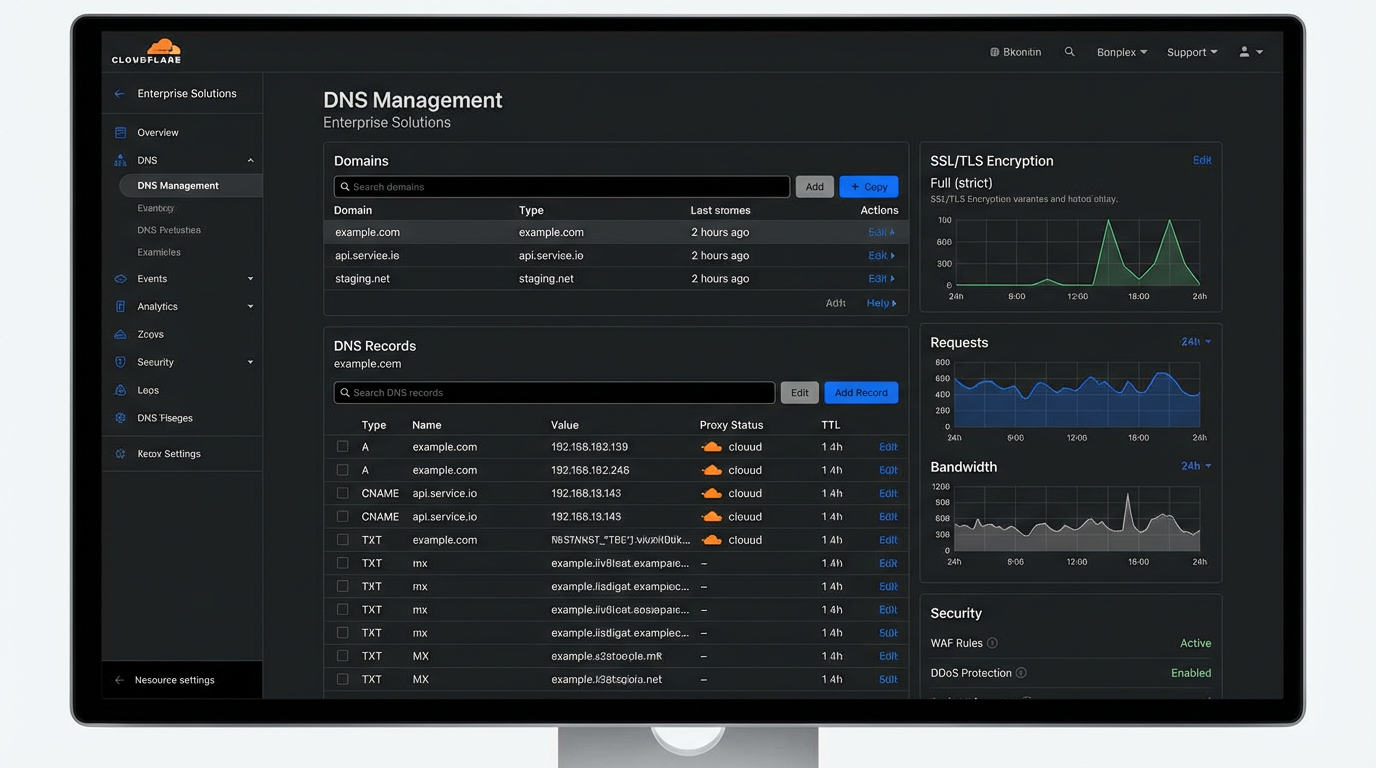
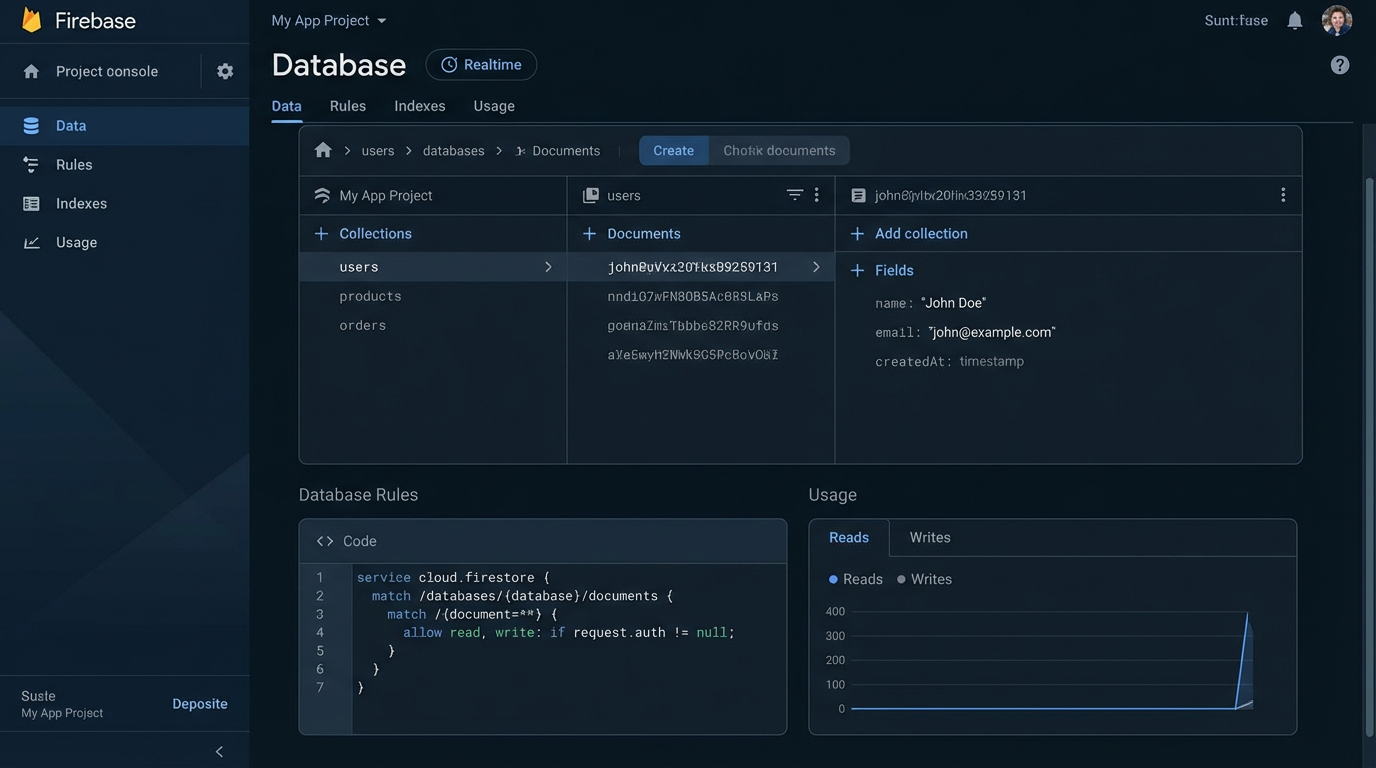
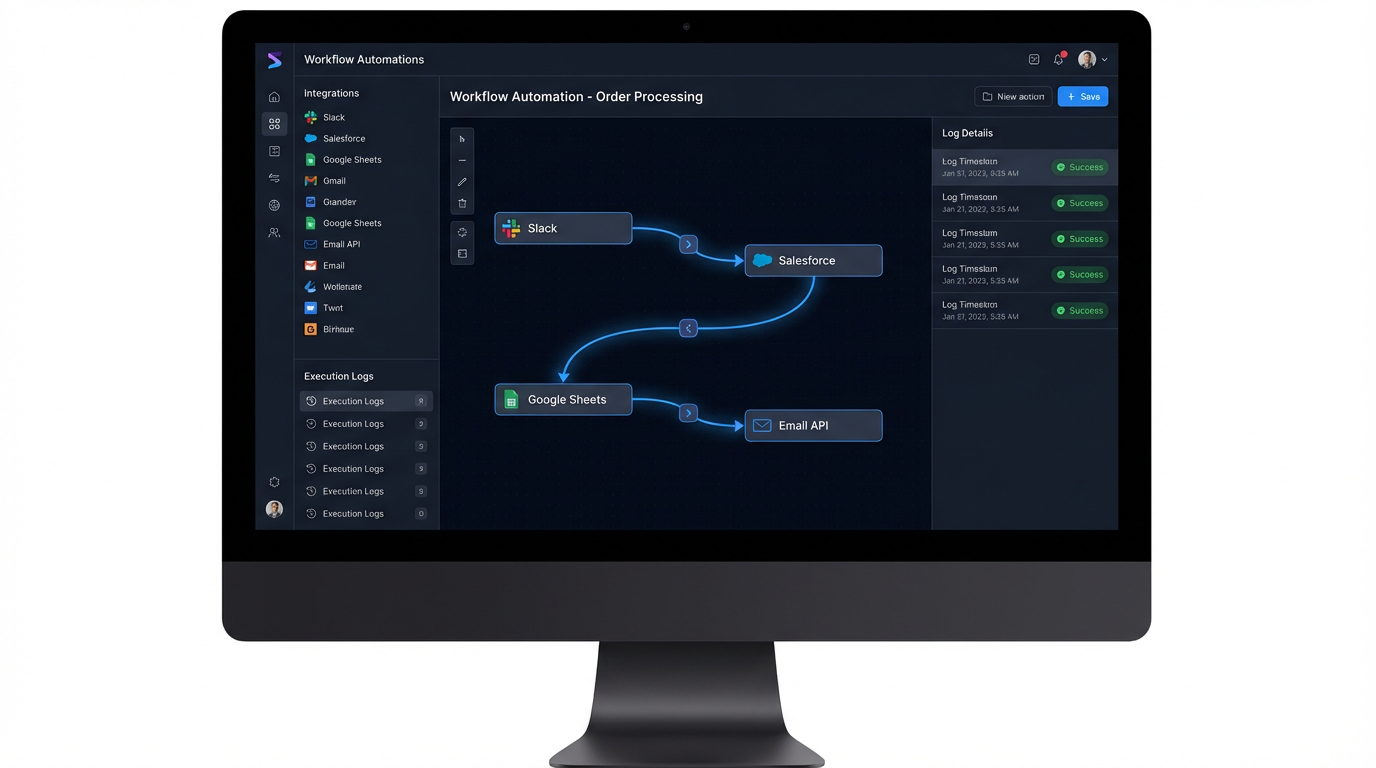
All systems shown are currently in production, serving real customers and processing real transactions. These are not demos or prototypes — they are live operational infrastructure I built and maintain independently.
How I Could Help Tesla
Applying my systems-building mindset to Tesla's AI chip engineering challenges
Build tools that accelerate chip design workflows:
- Design automation and verification tools
- Data pipeline infrastructure for AI training
- Simulation and testing frameworks
Streamline complex engineering processes:
- Automated reporting and analytics dashboards
- Cross-team collaboration platforms
- Documentation generation and maintenance
Connect disparate systems and data sources:
- API development for tool integration
- Data warehouse and analytics infrastructure
- Real-time monitoring and alerting systems
Apply AI to accelerate chip design:
- ML models for design optimization
- Automated testing and validation workflows
- Intelligent design suggestion systems
I bring the ability to learn rapidly, build independently, and execute across domains. I understand that Tesla's goal of bringing a new AI chip design to volume production every 12 months requires people who can move fast, adapt quickly, and deliver results under aggressive timelines.